








Nigeria and China are already developing a joint film production slate aimed at deepening collaboration between both countries’ creative industries, the Federal Government has disclosed.
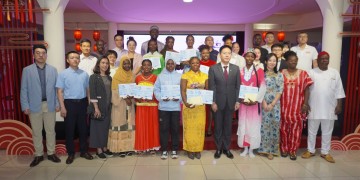
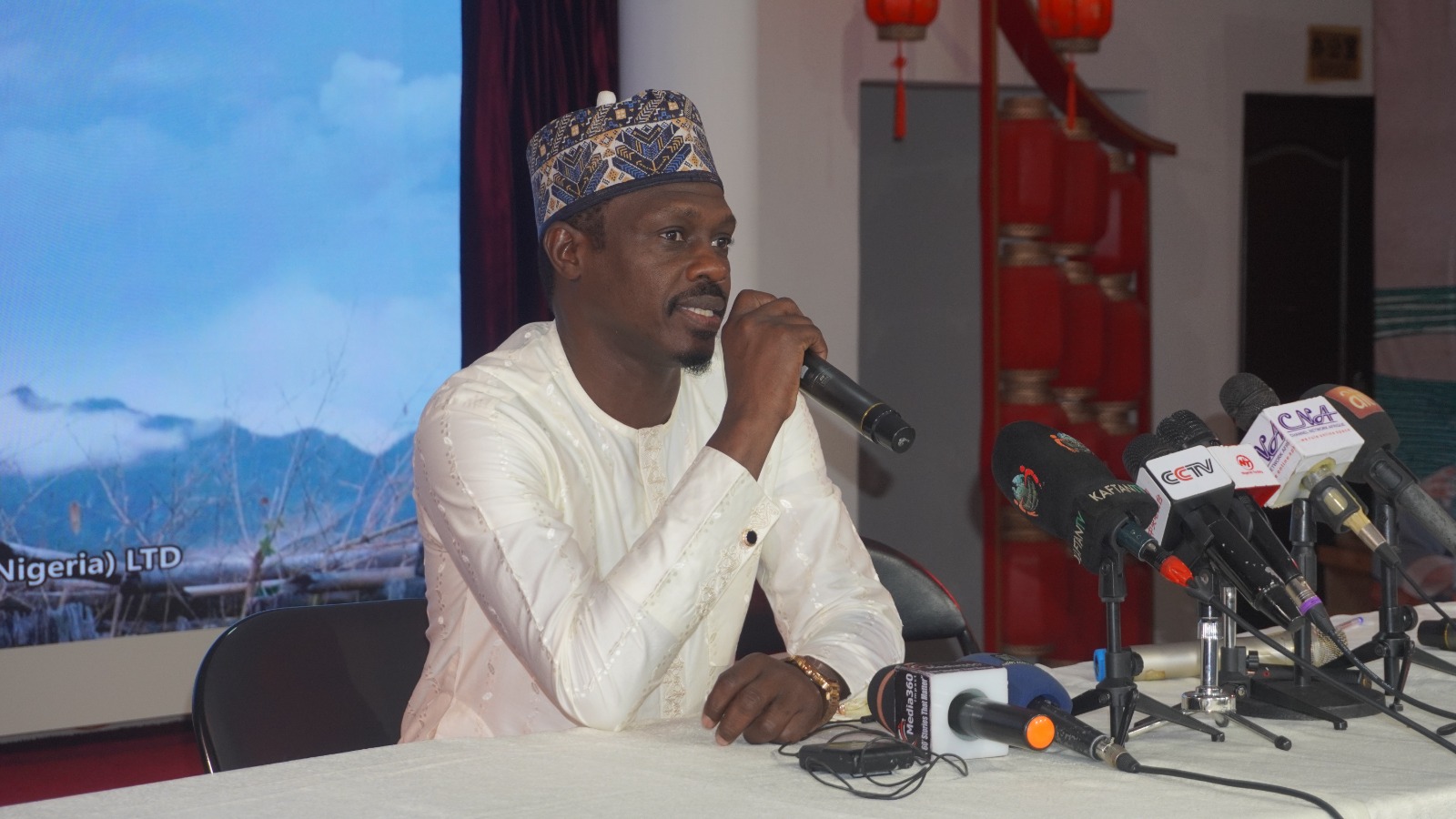
Speaking at the screening of the award-winning Chinese documentary “Rooting” at the Zuma International Film Festival in Abuja, the Managing Director of the Nigerian Film Corporation (NFC), Ali Nuhu, said the two nations have moved beyond discussions and are now actively working on co-developed film projects.
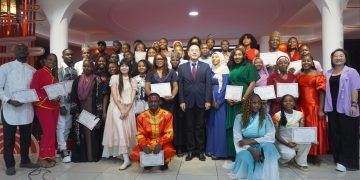
Nuhu explained that ongoing cultural exchange engagements, such as the screening of Rooting and the technical masterclass facilitated by its director, Chai Hongfang, and editor, Zhou Hongxia, are helping Nigerian filmmakers learn new techniques and approaches to documentary production.
“With this masterclass, our local directors and editors here will understand the techniques that went into producing this documentary. And the Chinese filmmakers have also expressed willingness to collaborate with any Nigerian filmmaker interested,” he said.
The Managing Director stated that the Nigerian government, through the Ministry of Arts, Culture, Tourism and Creative Economy, has already initiated a broader co-production plan with Chinese partners.
“Recently, a delegation from China visited Nigeria, and the NFC accompanied them on visits to film sets in Lagos. What we intend to do is roll out a slate of about ten films. For each of these films, we will engage various production companies in Nigeria, and the casts will include both Nigerian and Chinese actors,” he noted.
Speaking on the significance of the Zuma International Film Festival, Nuhu described it as the Federal Government’s official platform for global cinematic exchange.
“Zuma Film Festival is owned and organised by the Nigerian Film Corporation. It is a platform where filmmakers from Nigeria, Africa, and across the world come together to network, collaborate, and understand each other’s craft. They study our pattern of filmmaking, we study theirs, and we learn the latest technological trends,” he added.
In his remarks, Yang Jianxing, Cultural Counsellor of the Chinese Embassy and Director of the China Cultural Centre, said China is committed to deepening cultural and cinematic cooperation with Nigeria.
Yang noted that both China and Nigeria are globally recognised film powerhouses. Nollywood, he said, produces about 2,500 films annually, ranking as the world’s second-largest film industry. Meanwhile, China’s film industry continues to grow, boasting over 90,000 cinema screens and a $6 billion box office in 2024.
He described the screening and accompanying masterclass as a dialogue between civilisations and a testament to friendship between China and Nigeria.
“The Zuma Film Festival is not only a stage for Nigerian filmmakers, but also an important window for exchange and mutual learning between different civilisations.
“With 2026 designated as the China–Africa Year of People-to-People Exchanges, we look forward to deeper cooperation between China and Nigeria in the film industry, enhancing friendship and promoting mutually beneficial development,” he said.
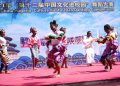
The documentary Rooting, produced over four years, chronicles the lives of the Nu people in a village in Yunnan Province, capturing their journey out of poverty through China’s targeted infrastructure and poverty-alleviation programs.
Yang described the film as “a condensed visual chronicle of China’s poverty alleviation efforts,” noting that it has earned numerous awards at international film festivals.
He added that the film’s themes echo the aspirations of the Nigerian people for national development and improved livelihoods.
Organised by the Nigerian Firm Cooperation, the 2025 Zuma Film Festival will also feature a Chinese documentary, SHENZHOU 13, produced aboard China’s space station.
The festival provides a platform where filmmakers from Nigeria and across the globe come together to network, collaborate and get to understand each other’s craft better.