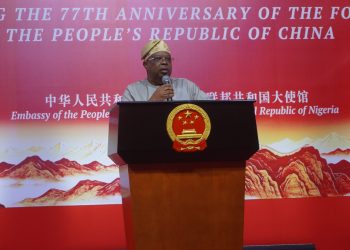
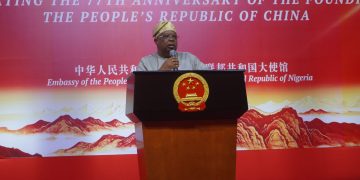







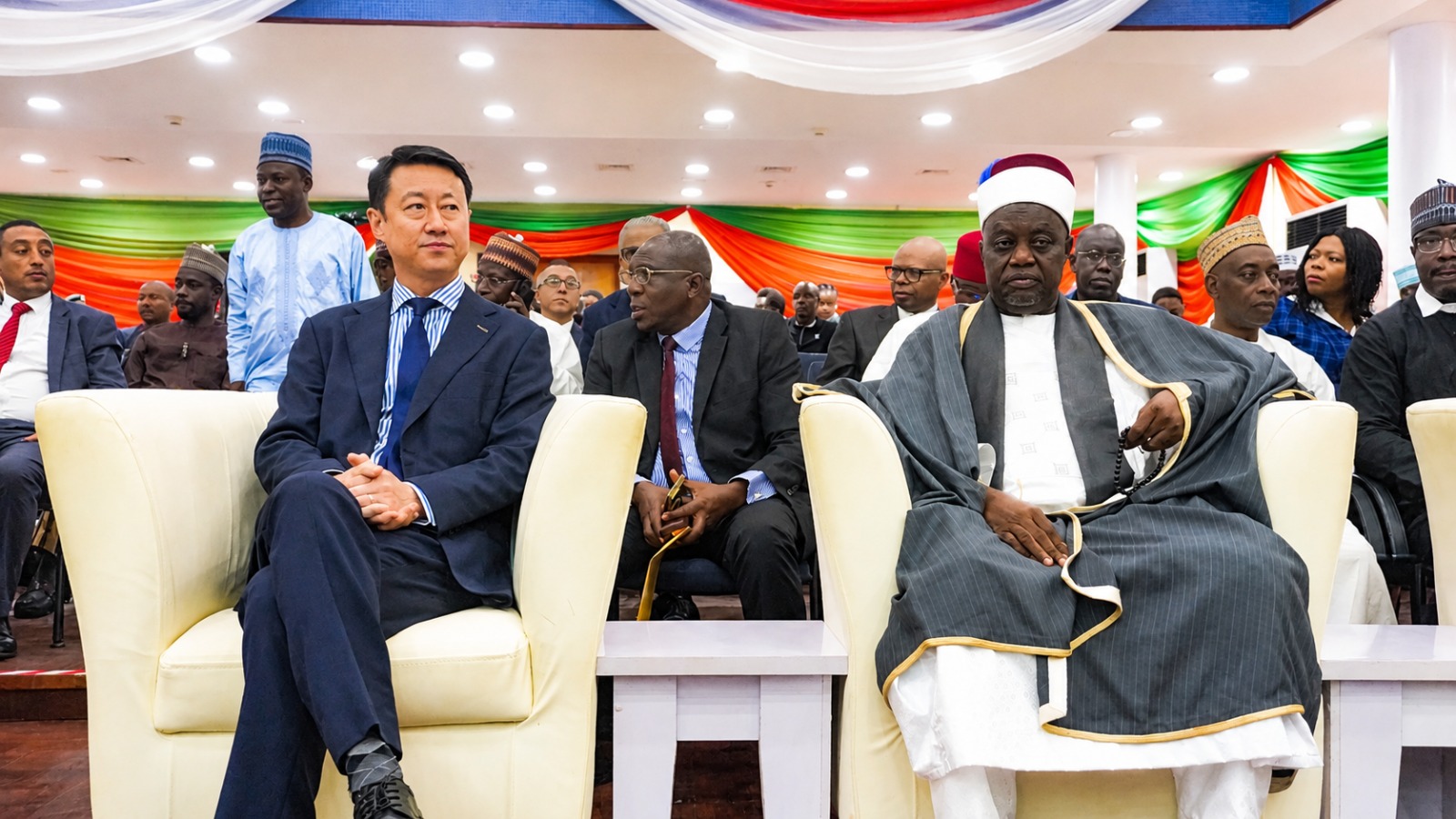
The Emir of Lafia, His Highness Sidi Bage Muhammad I, has described China as Nigeria’s “best friend in the world,” citing the country’s practical contributions to Nigeria’s development and what he described as shared values between the two peoples.
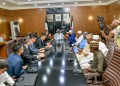
The Emir made the remarks while speaking with journalists on Friday on the sidelines of an international seminar on “China’s Zero-Tariff Treatment for African Countries and Its Implications for Economic Structural Transformation in Africa,” held at the Musa Yar’Adua Centre in Abuja.
The traditional ruler said China’s decision to grant zero-tariff access to 53 African countries would create opportunities for both sides by making trade easier and expanding access to markets.
According to him, the policy should not be viewed as a one-sided arrangement, as increased trade would also benefit China by making it easier for African producers and businesses to engage with the Chinese market.
He said the initiative was particularly important to Africa as the continent seeks to accelerate structural transformation and compete more effectively in the global economy.
“What we are trying hard around this part of the world is the structural transformation which we are looking for to catch up with the competitive world,” the Emir said.
He described the zero-tariff arrangement as an opportunity for African countries to find better and easier markets for products they already produce, while encouraging them to increase production and improve the quality of their goods.
The Emir, who highlighted the agricultural potential of Nigeria’s Benue Trough, said market access alone would not be sufficient to transform the region unless greater attention was paid to processing and value addition.
“We come from what we call the Benue Trough, and Benue Trough is called the food basket of the nation,” he said.
He, however, lamented that the region’s challenge was not only production but also what was done with the products after they were produced.
“As far as we’re concerned, China is our best friend in the world now because it’s practical. It is what you see that you can see, not what you do not see,” he said.
He said China’s impact on Nigeria was visible and ongoing, adding that the relationship between the two countries was strengthened by shared values and mutual respect.
“They have impacted and continue to impact. And what we share with China is our values. Our values, we have so many of them that are common,” he said.
The Emir added that the Chinese people had demonstrated respect for Nigerians and that Nigeria reciprocated the gesture.
“The Chinese people and our people, our values are common and we appreciate them so much because they value our people and they give us our respect and we give them their respect,” he said.
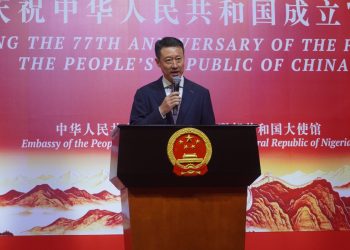
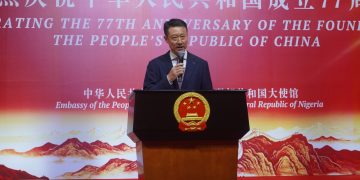
Earlier, Chinese Ambassador to Nigeria, Yu Dunhai, said China’s zero-tariff policy was already producing measurable benefits, with Chinese imports from Nigeria rising by 80 per cent to $2.3 billion in the first half of 2026.
Yu said total China-Nigeria trade reached $18 billion during the period, representing a 35 per cent year-on-year increase. He urged Nigeria to improve product quality, supply reliability and local processing to maximise access to China’s market.
On his part, the Director of the Centre for China Studies, Charles Onunaiju, said the policy represented more than two decades of expanding Chinese market access for African products. He urged African countries to use the opportunity to strengthen manufacturing, value addition and regional value chains through the African Continental Free Trade Area.
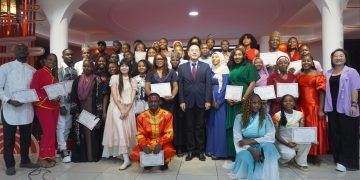
The seminar brought together government officials, policymakers, business leaders, exporters, farmers and other stakeholders to examine how African countries, particularly Nigeria, can convert expanded access to the Chinese market into greater production, value addition, industrial development and employment.