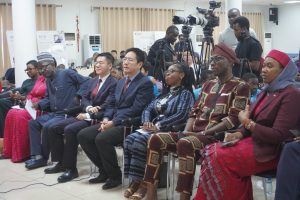


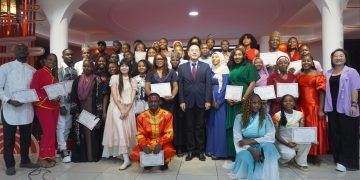


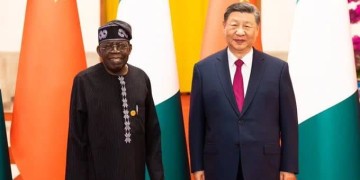



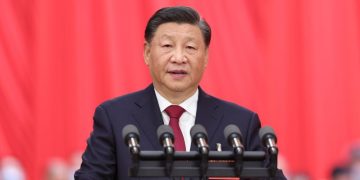

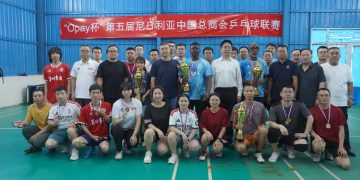



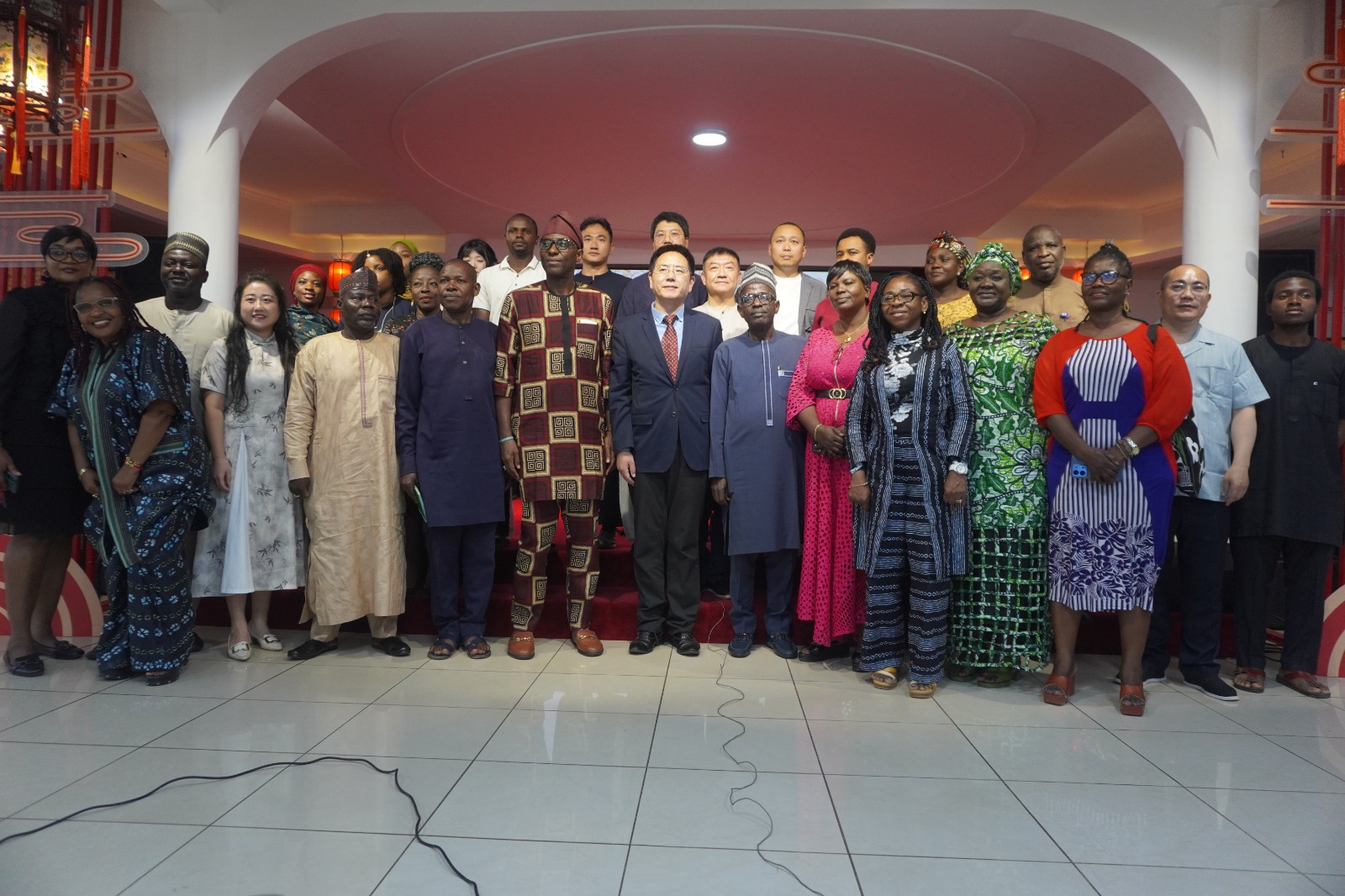
China and Nigeria have reaffirmed their commitment to strengthening bilateral cultural relations through deeper people-to-people engagement and creative collaboration, as both countries gathered in Abuja for an immersive showcase of China’s intangible cultural heritage.
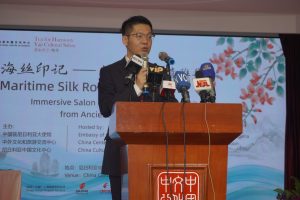
The event, titled “Maritime Silk Road Impressions: Immersive Salon of Intangible Cultural Heritage from Ancient Zayton Port,” was held at the China Cultural Centre and jointly organised by the Embassy of the People’s Republic of China in Nigeria and the China Centre of International Cultural Exchange and Tourism Promotion.
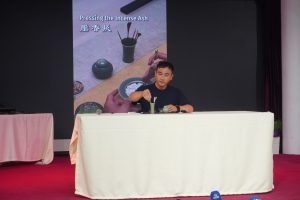
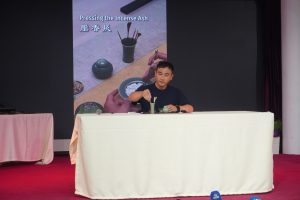
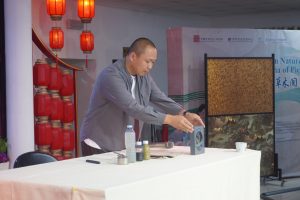
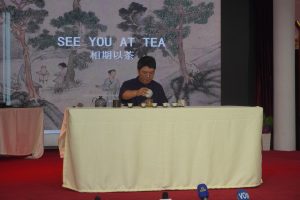
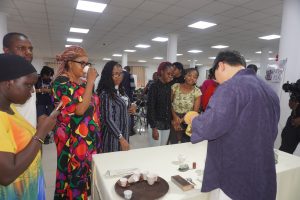
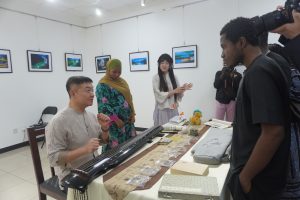
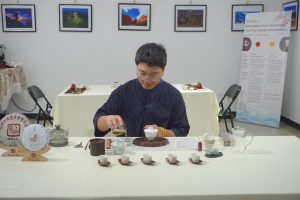
The salon brought together diplomats, cultural stakeholders, government officials and art enthusiasts to explore traditional Chinese cultural expressions through tea ceremonies, Guqin performances, ceramics exhibitions and incense rituals.
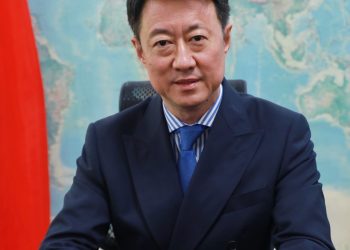
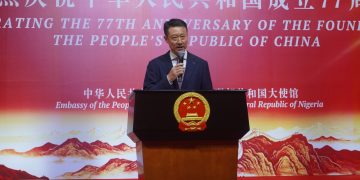
In his remarks, Zhou Hongyou, Minister at the Chinese Embassy in Nigeria, described tea as a universal cultural symbol that has connected civilizations for centuries.
He explained that Chinese tea culture, with a history spanning over 5,000 years, travelled across continents through the ancient Silk Road and has evolved into a medium for cultural dialogue and mutual understanding.
“Tea unites the world,” Zhou said, noting that China’s traditional tea processing techniques and associated social practices were inscribed on UNESCO’s list of intangible cultural heritage in 2022.
According to him, the cultural salon was designed to promote intercultural understanding while celebrating the enduring spirit of the Maritime Silk Road, which historically linked Asia, Africa and Europe through trade and cultural exchange.
He highlighted the historic city of Quanzhou, also known as Zayton, as a key starting point of the Maritime Silk Road and a centre of cultural interaction among nations centuries ago.
“The Silk Road carried not only silk, porcelain and spices, but also the values of peaceful cooperation, openness, inclusiveness and mutual learning,” he stated.
Zhou added that those same ideals continue to underpin contemporary China-Nigeria relations, particularly under the Belt and Road Initiative.
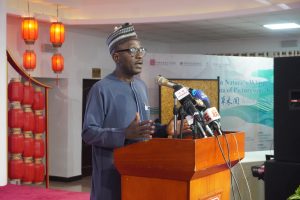
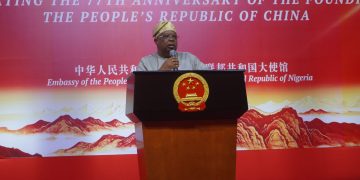
Also speaking, Abdulkarim Ozi Ibrahim, Permanent Secretary of the Federal Ministry of Art, Culture, Tourism and Creative Economy, praised the organisers for strengthening cultural diplomacy between both nations.
Represented by Mr. Envadu Yohanna Ayaka, Director of International Cultural Relations, the permanent secretary said tea culture reflects values that resonate strongly with Nigerian traditions of unity, hospitality and communal interaction.
“Tea is far more than a beverage; it is a vessel of history, a symbol of harmony and a medium of cultural exchange,” he said.
The permanent secretary said government efforts are focused on supporting tea-related festivals, cultural hubs, agro-artistry and bilateral collaborations capable of expanding Nigeria’s participation in the global creative and cultural economy.
“Events such as this demonstrate how cultural exchange can deepen mutual understanding and inspire sustainable collaboration,” he noted.
The cultural salon featured live demonstrations and performances, including the ancient Chinese Guqin musical art, traditional incense ceremonies, ceramic-making processes and Gongfu tea brewing sessions with Pu’er tea tasting.
Guests also participated in interactive experiences that exposed them to Chinese tea traditions, ceramics, incense culture and classical music heritage.
See more photos below: